

Hey there! I'm a supplier of half size dress forms, and I often get asked about what materials these nifty little things are made of. So, I thought I'd take a deep - dive into this topic and share all the details with you.
Foam
One of the most common materials for half size dress forms is foam. Foam dress forms are super lightweight, which makes them easy to move around. Whether you're a home sewer who likes to rearrange your workspace or a professional designer on the go, this is a major plus.
There are different types of foam used. Polyurethane foam is a popular choice. It's soft enough to be easily shaped, which means that manufacturers can create detailed curves and contours that mimic the human body. This is crucial for getting accurate measurements and fitting when you're making clothes.
Another type is high - density foam. It's more durable than regular foam and can withstand a lot of wear and tear. If you're going to be using your half size dress form frequently, say for daily pattern - making or fitting sessions, a high - density foam dress form is a great option.
The downside of foam dress forms is that they're not as rigid as some other materials. Over time, if you apply too much pressure, they can start to lose their shape. But overall, they're a cost - effective and practical choice for many dress - making enthusiasts. You can check out our Cheap Plastic Mannequins Without Arms which also have some foam - related components in their design for a more comfortable and lightweight feel.
Plastic
Plastic is another material that's widely used in half size dress forms. There are different grades of plastic, and each has its own set of characteristics.
Acrylic plastic is known for its transparency and high strength. Some dress forms made from acrylic can look really sleek and modern. They're also resistant to scratches and stains, which is great if you're working in a busy studio environment. You can easily wipe them clean and they'll look as good as new.
ABS plastic is also popular. It's a tough and impact - resistant plastic. This means that your half size dress form can take a bit of banging around without getting damaged. ABS plastic dress forms are often used in commercial settings where they need to be durable and long - lasting.
However, plastic dress forms can be a bit heavy compared to foam ones. And in some cases, they might not have the same level of flexibility as foam when it comes to making minor adjustments to the shape. But if you're looking for a dress form that will stand the test of time, a plastic one is a solid choice. Our Curvy Female Mannequin is made with high - quality plastic to ensure it maintains its shape and looks great for years.
Wood
Wood has a classic charm and is a traditional material for dress forms. Hardwoods like maple or oak are commonly used. Wood dress forms are incredibly sturdy and can last for generations if properly cared for.
One of the advantages of wood is its natural beauty. It has a warm, organic look that can add a touch of elegance to any workspace. Wood is also easy to work with. You can sand it, paint it, or stain it to match your personal style or the decor of your studio.
In terms of functionality, wood dress forms provide a stable base for pattern - making and fitting. They don't flex or bend easily, which is great for getting accurate measurements. However, wood can be expensive compared to foam or plastic. It also requires more maintenance. You need to protect it from moisture to prevent warping and cracking.

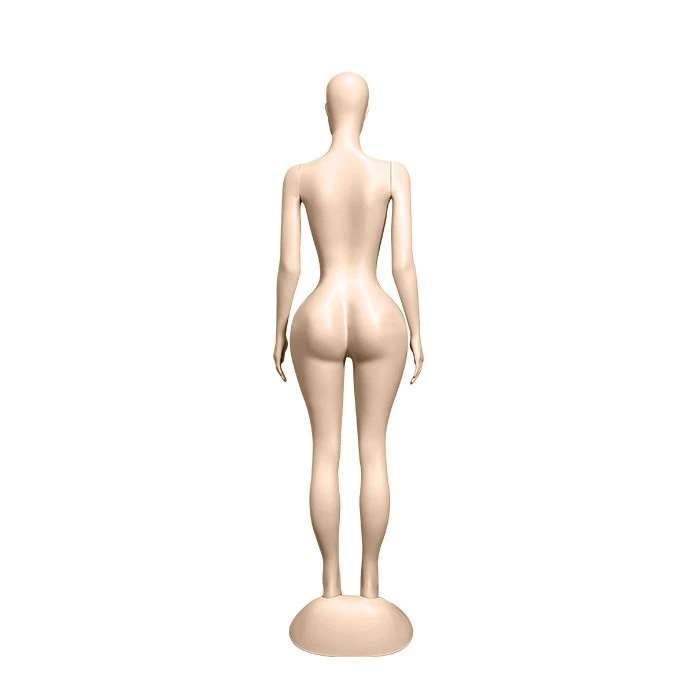
If you're a serious dressmaker who values tradition and quality, a wood half size dress form might be the right choice for you. And if you're in the market for a full - body option, our Fashion Mannequin Full Body also has some wood elements in its construction for added stability.
Composite Materials
Composite materials are a combination of different substances, often designed to take advantage of the best properties of each component. For example, some dress forms are made by combining foam with a layer of plastic or fiberglass on the outside.
This combination gives you the best of both worlds. The foam provides a lightweight and comfortable base, while the outer layer adds durability and rigidity. Composite dress forms can be more expensive than single - material ones, but they offer a great balance of performance and longevity.
They're also very customizable. Manufacturers can adjust the ratio of materials to create a dress form that meets specific requirements. Whether you need a dress form for light - duty home use or heavy - duty commercial work, there's likely a composite option that will suit you.
Choosing the Right Material for You
When it comes to picking the material for your half size dress form, there are a few things to consider. First, think about how you'll be using it. If you're just starting out and want to experiment with dress - making on a budget, a foam dress form is a good place to start. It's affordable and easy to handle.
If you're a professional designer or someone who does a lot of high - end, precise work, you might want to invest in a plastic or wood dress form. They offer more stability and durability, which can be crucial for getting perfect results.
Your workspace is also a factor. If you have limited space and need to move your dress form around a lot, a lightweight foam or composite dress form is ideal. On the other hand, if you have a dedicated studio with plenty of room, a heavier wood or plastic dress form won't be a problem.
Let's Talk Business
So, now that you know all about the different materials used in half size dress forms, are you ready to make a purchase? I'm here to help you find the perfect dress form for your needs. Whether you're a small business looking to stock up on high - quality dress forms or an individual hobbyist searching for that ideal piece, I've got you covered.
Just reach out, and we can have a detailed discussion about your requirements. I can provide you with more information about our products, including pricing, customization options, and delivery details. Let's start this dress - making journey together and find the best half size dress form for you!
References
- Textile Institute. Dressmaking Materials and Their Properties. 2020.
- Fashion Design Association. Guide to Mannequin Materials. 2021.