

What is the weight of an average fashion men's mannequin?
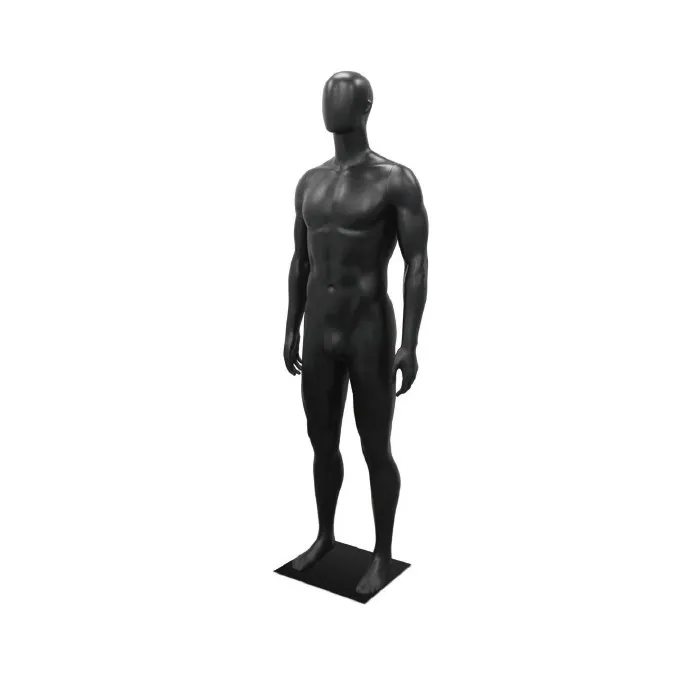
As a supplier of fashion men's mannequins, I often get asked about the weight of these essential display tools. The weight of a fashion men's mannequin can vary significantly depending on several factors, including the material it's made from, its size, and its design. In this blog post, I'll delve into these factors and provide you with a comprehensive understanding of the weight of an average fashion men's mannequin.
Factors Affecting the Weight of Fashion Men's Mannequins
Material
The material used to construct a mannequin is one of the primary factors influencing its weight. Here are some common materials and their characteristics:
- Fiberglass: Fiberglass mannequins are popular in the fashion industry due to their durability and ability to hold detailed shapes. They are relatively lightweight compared to some other materials, making them easy to move and reposition. A full - body adult fiberglass mannequin typically weighs between 15 to 30 pounds (6.8 to 13.6 kilograms). For example, a standard - sized fiberglass male mannequin with a well - defined muscle structure might weigh around 20 pounds (9.1 kilograms).
- Plastic: Plastic Manikin mannequins are another common option. They are often more affordable and can be found in a variety of styles. The weight of a plastic mannequin can range from 10 to 25 pounds (4.5 to 11.3 kilograms). A basic plastic male mannequin without elaborate details may weigh closer to 10 pounds (4.5 kilograms), while a larger or more intricately designed one could reach up to 25 pounds (11.3 kilograms).
- Wood: Wooden mannequins are less common but offer a unique, natural look. They tend to be heavier than fiberglass or plastic mannequins. A full - body wooden male mannequin can weigh anywhere from 30 to 50 pounds (13.6 to 22.7 kilograms) or more, depending on the type of wood used and the thickness of the construction.
Size
The size of the mannequin also plays a crucial role in determining its weight. Larger mannequins require more material, which naturally increases their weight. For instance, a tall and broad - shouldered full - body Man Mannequin Full Body Adult will weigh more than a smaller, more petite version. A standard - height male mannequin (around 6 feet tall) will generally be heavier than a half - body mannequin, which might weigh only a fraction of the full - body counterpart.
Design
The complexity of the mannequin's design can add to its weight. Mannequins with additional features such as movable joints, detailed facial features, or built - in lighting systems will be heavier than those with a more basic design. For example, a male mannequin with fully articulated arms and legs for more dynamic posing will require extra material and components, increasing its overall weight. A mannequin with a detailed head and facial features, like a Male Black Mannequin designed to represent a specific ethnic look, may also be slightly heavier due to the additional sculpting and finishing work.
Why Does the Weight of a Mannequin Matter?
Ease of Handling
If you need to move your mannequins frequently, such as for store rearrangements or trade shows, a lighter mannequin will be much easier to handle. You won't have to worry about straining your back or enlisting extra help to move them around. For example, a lightweight plastic mannequin can be easily carried by one person, while a heavy wooden mannequin may require two or more people to lift safely.

Stability
On the other hand, weight can contribute to a mannequin's stability. A heavier mannequin is less likely to tip over, especially in a busy retail environment where there may be a lot of foot traffic or accidental bumps. This is particularly important for mannequins that are displayed in prominent locations or those that are used to showcase heavy or bulky clothing items.
Shipping and Storage
The weight of a mannequin also affects shipping costs and storage requirements. Heavier mannequins will cost more to ship, both in terms of the actual shipping fees and the potential need for special handling. In addition, storing heavy mannequins may require more robust storage racks or shelves to prevent damage.
Determining the Right Weight for Your Needs
When choosing a fashion men's mannequin, it's important to consider your specific requirements. If you have a small store with limited staff and need to move mannequins regularly, a lighter fiberglass or plastic mannequin might be the best choice. However, if you're looking for a mannequin to be a permanent fixture in a high - traffic area and need maximum stability, a heavier wooden or well - constructed fiberglass mannequin could be more suitable.
It's also a good idea to test the weight of the mannequin in person if possible. Many suppliers, including us, offer the option to view and handle the mannequins before making a purchase. This allows you to get a feel for the weight and determine if it meets your needs.
Contact Us for Your Mannequin Needs
If you're in the market for a fashion men's mannequin and have questions about weight, style, or any other aspect, we're here to help. Our team of experts can guide you through the selection process and ensure that you find the perfect mannequin for your business. Whether you need a lightweight, easy - to - move mannequin or a heavy, stable one, we have a wide range of options to choose from.
Don't hesitate to reach out to us to discuss your requirements and start the procurement process. We look forward to working with you to enhance your fashion display.
References
- Fashion Industry Handbook: Mannequin Selection and Use. Publisher: Fashion Press, 2022.
- Retail Display Guide: Best Practices for Mannequin Placement. Author: Retail Insights Group, 2023.