

What is the origin of mannequins without arms?
As a supplier of mannequins without arms, I've often been intrigued by the history and evolution of these unique display tools. Mannequins, in general, have a long and fascinating history that dates back centuries. Their development has been closely intertwined with the evolution of fashion, commerce, and art.
Early Origins of Mannequins
The concept of using human - like forms for display purposes can be traced back to ancient civilizations. In ancient Egypt, for example, life - sized statues were used to represent gods, pharaohs, and important individuals. These statues were often highly detailed and were made from materials such as stone, wood, and clay. While not strictly mannequins in the modern sense, they laid the foundation for the idea of using human forms for representation.
In ancient Greece and Rome, mannequins started to take on a more practical role. Tailors and dressmakers would use simple wooden forms to drape and fit fabrics. These early mannequins were basic in design, often just a rough approximation of the human body, but they served the purpose of helping to create well - fitting garments.
The Birth of Modern Mannequins
The modern mannequin as we know it began to emerge in the 18th century. With the growth of the fashion industry and the rise of department stores, there was a need for more sophisticated display tools. In 1770, a French fashion designer named Rose Bertin is credited with creating some of the first life - sized mannequins. She used these mannequins to showcase her latest designs to the French court and aristocracy. These early mannequins were made from materials such as wax and were highly detailed, with realistic facial features and hair.
As the 19th century progressed, mannequins became more widely used in the retail industry. Department stores started to use them to display clothing, creating an appealing visual for customers. The materials used to make mannequins also evolved. Wood was a popular choice, as it was relatively inexpensive and easy to work with. Later, plaster and papier - mâché were also used, allowing for more detailed and realistic designs.
The Emergence of Armless Mannequins
So, when did mannequins without arms start to appear? The origin of armless mannequins can be linked to several factors. One of the main reasons is the changing nature of fashion display. In the early days of mannequin use, the focus was on showing the entire outfit, from head to toe. However, as fashion became more about the individual pieces and the way they fit and drape, there was a shift in display techniques.
Armless mannequins allow for a more unobstructed view of the clothing. They draw the viewer's attention directly to the garment, without the distraction of arms. This is particularly useful for showing off dresses, tops, and other items that are meant to be the center of attention. For example, when displaying a flowing evening gown, an armless mannequin can showcase the full silhouette of the dress, from the bodice to the hem, without any interference from arms.
Another factor contributing to the popularity of armless mannequins is the rise of minimalist and modern display aesthetics. In today's retail environment, many stores are opting for clean, simple displays that highlight the products. Armless mannequins fit well into this aesthetic, as they provide a sleek and uncluttered look.
The Role of Armless Mannequins in the Fashion Industry
Armless mannequins have become an essential tool in the fashion industry. They are used in a variety of settings, from high - end fashion boutiques to large - scale department stores. In fashion shows, armless mannequins are often used to display the designs backstage, allowing designers to make last - minute adjustments and showcasing the garments to the press and buyers.
In retail stores, armless mannequins are used to create eye - catching displays. They can be arranged in groups to create a visually appealing scene, or used individually to highlight a particular item. For example, a store might use an armless mannequin to display a new line of swimwear, with the mannequin placed in a beach - themed setting.
Our Offerings as a Supplier
As a supplier of mannequins without arms, we offer a wide range of products to meet the diverse needs of our customers. Our mannequins are made from high - quality materials, ensuring durability and a realistic appearance.
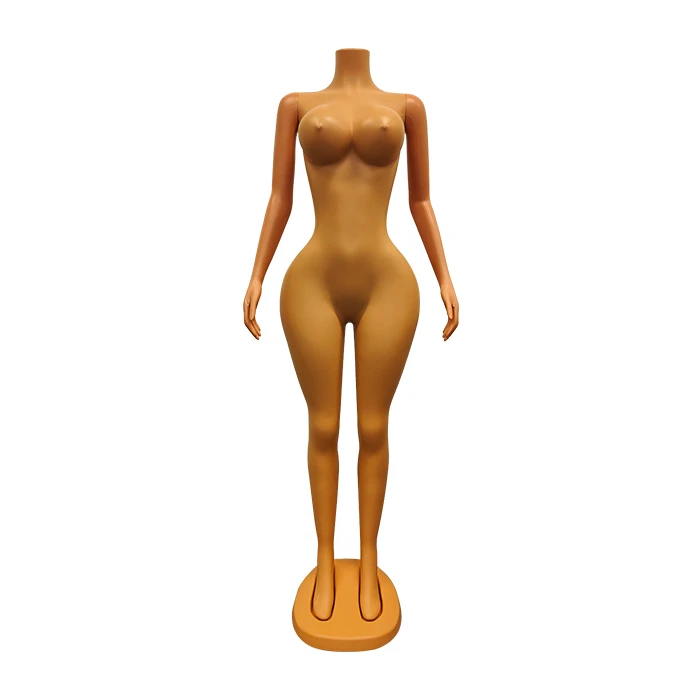
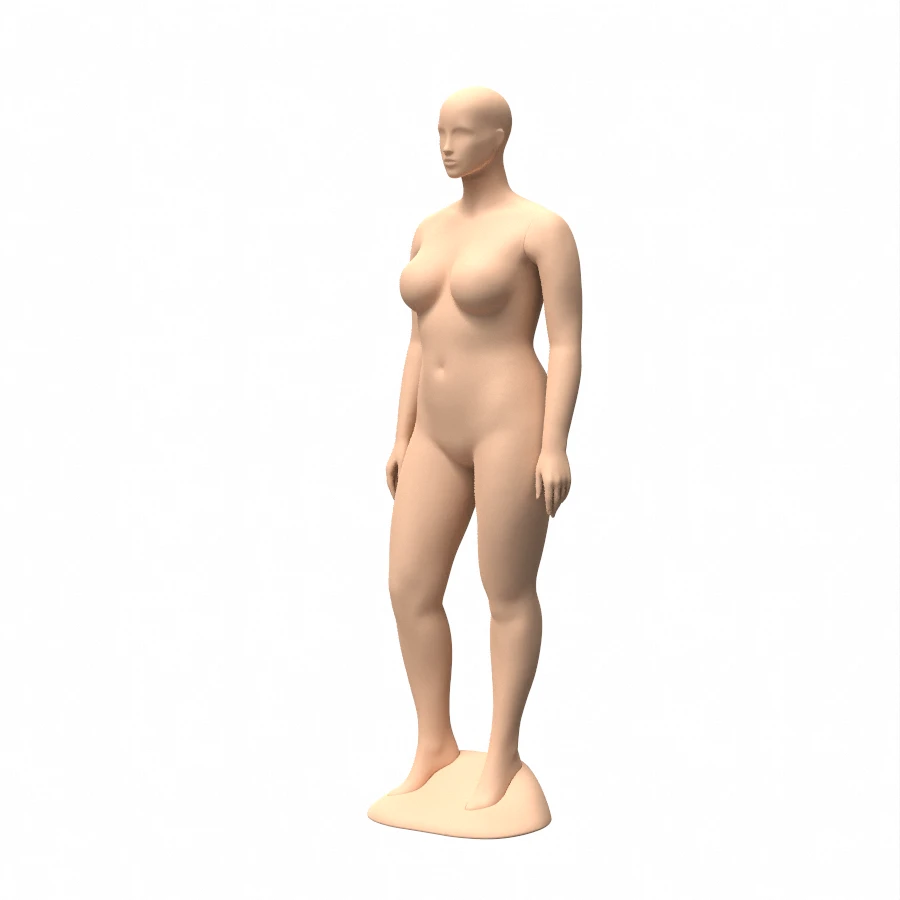
We have Full Body Plus Size Mannequin that are designed to represent a more inclusive range of body types. These mannequins are perfect for stores that cater to plus - size customers, allowing them to see how the clothing will look on a body similar to their own.
Our Full Body Realistic Mannequin are crafted with great attention to detail, with realistic skin tones, hair, and facial features. These mannequins are ideal for high - end fashion stores that want to create a luxurious and authentic display.
And our Female Life Size Manenquin provide a true - to - life representation of the female body. They are available in different poses and styles, allowing stores to create unique and engaging displays.
Contact Us for Your Mannequin Needs
If you're in the market for high - quality mannequins without arms, we'd love to hear from you. Whether you're a small boutique owner or a large - scale retailer, we have the products and expertise to help you create the perfect display. Contact us to discuss your specific requirements and to start a procurement negotiation. We're committed to providing excellent customer service and ensuring that you get the best mannequins for your business.
References
- Black, Jeremy. "The History of Mannequins in Retail." Journal of Retail History, 2015.
- Davis, Sarah. "Fashion Display and the Evolution of Mannequins." Fashion Studies Quarterly, 2018.
- Johnson, Mark. "Armless Mannequins: A New Trend in Fashion Display." Retail Merchandising Magazine, 2020.