

Mannequins are not merely static figures placed in stores; they are powerful tools that significantly contribute to the overall ambiance of a retail space. As a mannequin supplier, I have witnessed firsthand how these silent salespersons can transform a store's atmosphere, attract customers, and enhance the shopping experience. In this blog post, I will explore the various ways mannequins contribute to the overall ambiance of a store and why they are an essential element of retail design.
Visual Appeal and Aesthetics
One of the primary ways mannequins contribute to the overall ambiance of a store is by enhancing its visual appeal and aesthetics. Mannequins serve as a canvas for displaying clothing, accessories, and other products, allowing retailers to create eye-catching displays that draw customers in. By carefully selecting mannequins that match the store's brand and target audience, retailers can create a cohesive and visually appealing environment that reflects their brand identity.
For example, a high-end fashion boutique might choose to use realistic mannequins with detailed features and sophisticated poses to showcase their luxury clothing. On the other hand, a trendy streetwear store might opt for more edgy and dynamic mannequins to appeal to a younger demographic. By using mannequins that align with the store's brand and target audience, retailers can create a visually appealing atmosphere that resonates with their customers.
In addition to enhancing the visual appeal of a store, mannequins can also be used to create a sense of depth and dimension. By arranging mannequins in different poses and positions, retailers can create a three-dimensional display that adds interest and visual impact. For example, a store might use a group of mannequins arranged in a circular formation to create a focal point in the center of the store. Alternatively, a store might use mannequins placed at different heights and angles to create a sense of movement and flow.
Branding and Storytelling
Mannequins can also play a crucial role in branding and storytelling. By dressing mannequins in clothing and accessories that reflect the store's brand and target audience, retailers can communicate their brand message and tell a story to their customers. For example, a store that specializes in sustainable fashion might dress their mannequins in eco-friendly clothing and accessories to communicate their commitment to sustainability.
In addition to communicating the store's brand message, mannequins can also be used to tell a story. By creating themed displays that feature mannequins dressed in different outfits and poses, retailers can create a narrative that engages customers and encourages them to explore the store. For example, a store might create a display that tells the story of a summer vacation, featuring mannequins dressed in beachwear and accessories.
Product Display and Merchandising
Mannequins are also essential for product display and merchandising. By dressing mannequins in the latest fashion trends and styles, retailers can showcase their products in a way that is both visually appealing and informative. Mannequins can also be used to demonstrate how different clothing items can be paired together to create a complete outfit.
For example, a store might dress a mannequin in a pair of jeans, a t-shirt, and a jacket to show customers how these items can be worn together. By using mannequins to display their products, retailers can make it easier for customers to visualize how the clothing will look on them and make purchasing decisions.
In addition to displaying clothing, mannequins can also be used to showcase accessories such as jewelry, handbags, and shoes. By dressing mannequins in accessories that complement the clothing, retailers can create a more complete and cohesive look. For example, a store might dress a mannequin in a pair of shoes and a handbag that match the outfit they are wearing.
Customer Engagement and Interaction
Mannequins can also play a role in customer engagement and interaction. By creating interactive displays that feature mannequins, retailers can encourage customers to engage with the products and the store. For example, a store might create a display that allows customers to try on the clothing worn by the mannequins. Alternatively, a store might create a display that features a mannequin with a touch screen that provides information about the products.
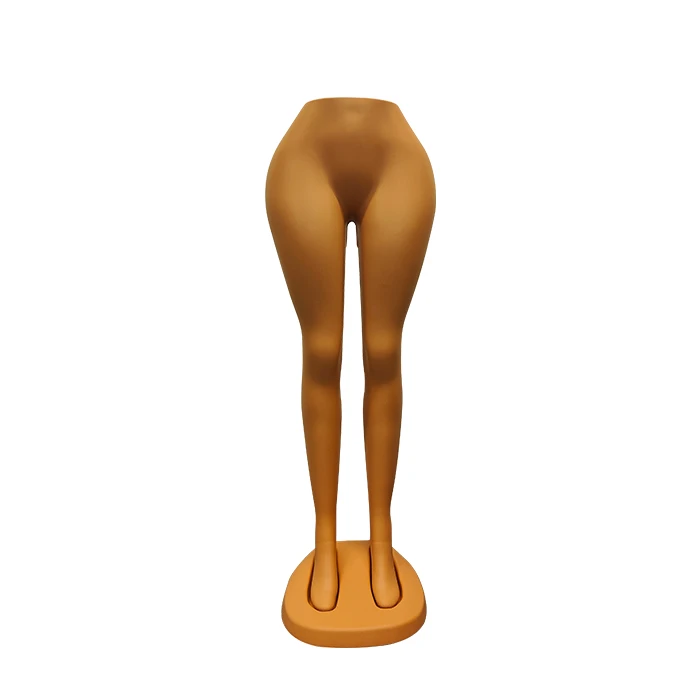

In addition to creating interactive displays, mannequins can also be used to create a sense of community and connection. By dressing mannequins in clothing that reflects the diversity of the store's customers, retailers can create a more inclusive and welcoming environment. For example, a store might dress a mannequin in a traditional cultural outfit to celebrate the diversity of their customers.
Types of Mannequins
There are several types of mannequins available on the market, each with its own unique features and benefits. As a mannequin supplier, I offer a wide range of mannequins to meet the needs of different retailers. Some of the most common types of mannequins include:
- Full-Body Mannequins: These mannequins are the most common type and are used to display complete outfits. They come in a variety of styles, including realistic, abstract, and fashion-forward.
- Half-Body Mannequins: These mannequins are used to display upper body clothing such as tops, jackets, and sweaters. They are a popular choice for retailers who want to save space and focus on the upper body of the clothing.
- Child Mannequins: These mannequins are used to display children's clothing. They come in a variety of sizes and styles to match the age and gender of the target audience.
- Male Mannequins: These mannequins are used to display men's clothing. They come in a variety of styles, including realistic, abstract, and fashion-forward.
- Female Mannequins: These mannequins are used to display women's clothing. They come in a variety of styles, including realistic, abstract, and fashion-forward.
Conclusion
In conclusion, mannequins are an essential element of retail design that significantly contribute to the overall ambiance of a store. By enhancing the visual appeal, communicating the brand message, displaying products, and engaging customers, mannequins can help retailers create a more inviting and engaging shopping experience. As a mannequin supplier, I am committed to providing high-quality mannequins that meet the needs of different retailers. If you are interested in learning more about our mannequin products or would like to discuss your specific requirements, please feel free to contact us. We look forward to working with you to create a unique and engaging retail environment.
References
- Smith, J. (2019). The Role of Mannequins in Retail Design. Journal of Retail and Consumer Services, 47, 101-108.
- Johnson, A. (2020). Mannequins as Brand Ambassadors: A Study of Retailers' Use of Mannequins to Communicate Brand Identity. Journal of Marketing Management, 36(1-2), 1-20.
- Brown, C. (2021). The Impact of Mannequins on Consumer Behavior: A Review of the Literature. Journal of Consumer Research, 48(1), 1-15.